FOMO is real. How does it work psychologically?

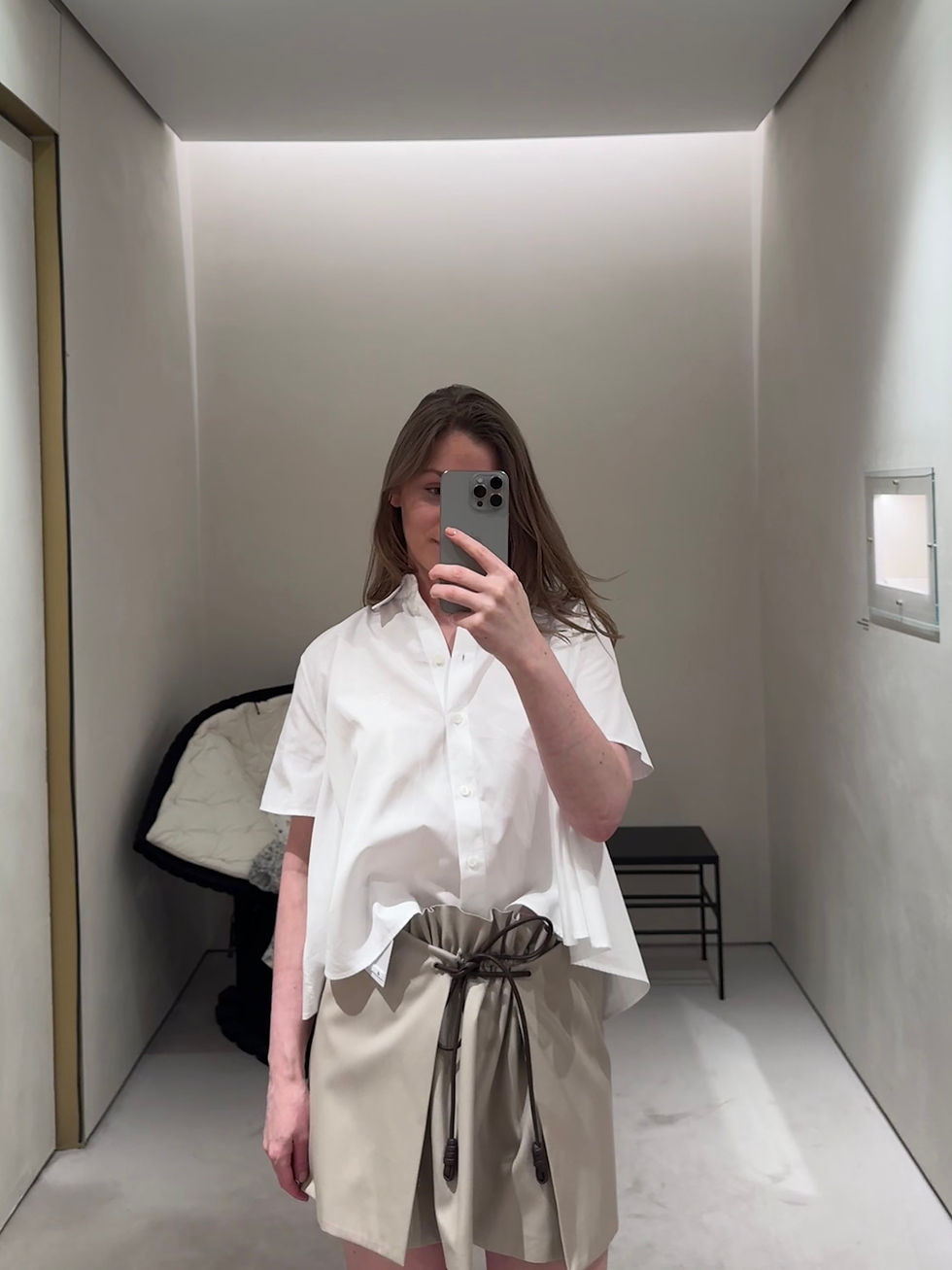
Below is a romper I tried on a few days ago. It was a size smaller than I need, and I thought I’d look it up online later. Yesterday I got a link to a private sale from one of the e-retailers, and they had my size available.

I got distracted and came back to place the order today. The size was sold out, while I was left with a strong feeling I NEED it.
***
One of the most interesting psychological dynamics in fashion is how our perception of a product changes depending on whether it is still available or suddenly gone.
When a piece is available for a long time, the brain often treats it as an option rather than a necessity. You may like it, revisit it repeatedly, even imagine yourself wearing it, but because the possibility remains open, there is no emotional urgency to act. The decision stays suspended between “yes” and “maybe later.”
This is partly explained by what behavioral economics calls loss aversion. Psychologically, losing something tends to feel stronger than gaining something. While a product is still in stock, you are evaluating whether you want it. Once it disappears, the brain processes the situation differently: not as a neutral choice, but as a lost opportunity.
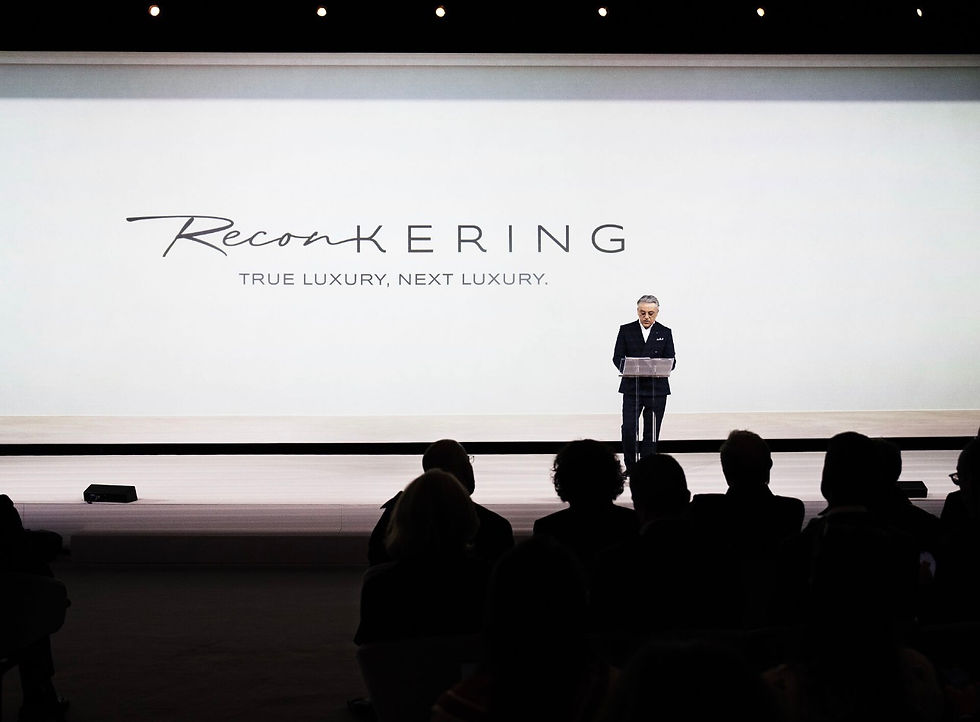
Scarcity intensifies this further. Limited availability increases perceived value. Luxury fashion is built around this logic: seasonal deliveries, low stock, pre-orders, waitlists, boutique or — lately — online exclusives, runway pieces. Something we saw performed by Chanel this season — I’m sure quantities were carefully monitored to feed FOMO.
At the same time, the opposite dynamic can happen when a product remains endlessly available. The emotional charge begins to fade. Without urgency, many decisions simply never conclude.
In luxury fashion, prolonged availability can even weaken desirability itself. If a heavily promoted runway item is available for months in every size, people start questioning it: “If nobody is buying it, what am I missing?”
> Visibility, stock depth, and markdown timing matter so much. Luxury does not only sell objects; it sells perceived relevance and emotional intensity.
Another important mechanism is the endowment effect. People begin valuing things more highly once they mentally incorporate them into their identity or future life. This may often happen before purchase. You imagine the look, the situations, the version of yourself connected to the item. When the product disappears, the feeling can resemble the loss of a future scenario rather than simply the loss of a garment.
> Fashion FOMO is not always superficial or irrational. Sometimes the disappearance of a product removes the noise of endless comparison and delayed decision-making. Only once the option is gone do people realize whether they truly wanted the piece — or merely enjoyed keeping the possibility open.
***
I found the last size via another e-retailer. No discount, but it appeared I NEEDED it, so it didn’t matter.