
Chanel banned exotic leather in 2018. Seven years later, the brand has stepped over its “ethical” decision.
- Maryna Borysenko

- Dec 9, 2025
- 2 min read
UPD: To be confirmed. I guess only the official website can clarify whether it’s genuine crocodile or leather embossed to imitate exotics. For now, I can’t say with certainty that my note is correct.
In September, while the Chanel show was arguably the most talked-about of the season, what caught my attention—and went largely unnoticed in broader discussion—was a pistachio-green crocodile bag.
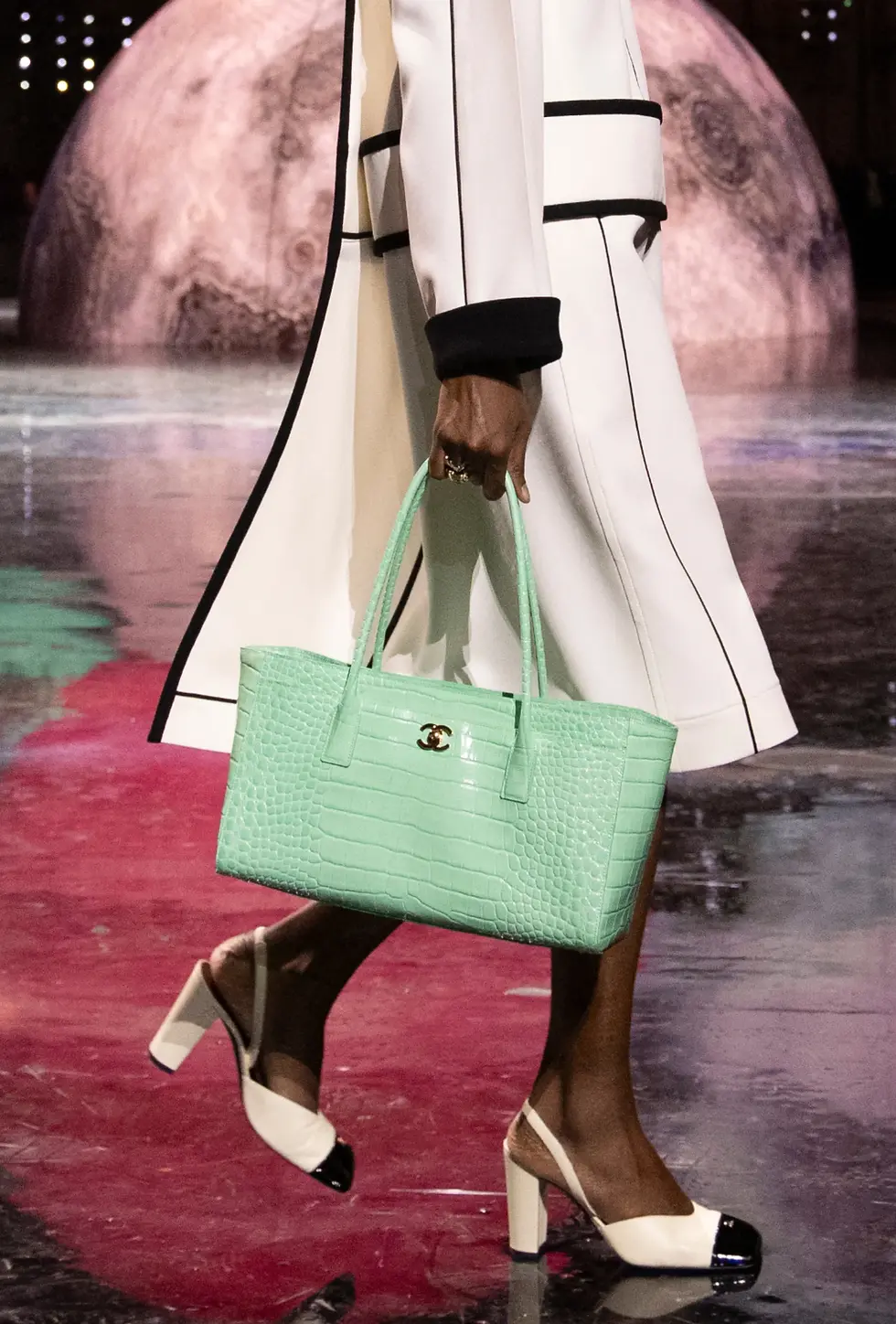
My memory for details immediately brought back the 2018 headlines, when Chanel became the first major luxury house to renounce exotic skins. Commenting on the decision, Bruno Pavlovsky said that
...it was becoming increasingly difficult to source skins that met the house’s quality and ethical standards, and that it would focus its research and development on textiles and leathers generated by “agri-food” industries.

When a brand addresses sensitive issues, it must be careful not to say too much. Chanel, usually reserved, was unusually vocal, emphasizing ethics and future plans. That eloquence reflected how socially applauded the decision was—and how beneficial it was for the brand.
Still, forgive my bluntness: given the ongoing reports about labor-rights violations in luxury supply chains (Chanel, to its credit, has not appeared in them), it’s hard to believe the move was driven purely by ethics. The house did not own crocodile farms, while major luxury groups were actively acquiring such facilities to secure supply and maintain control (think Hermès).
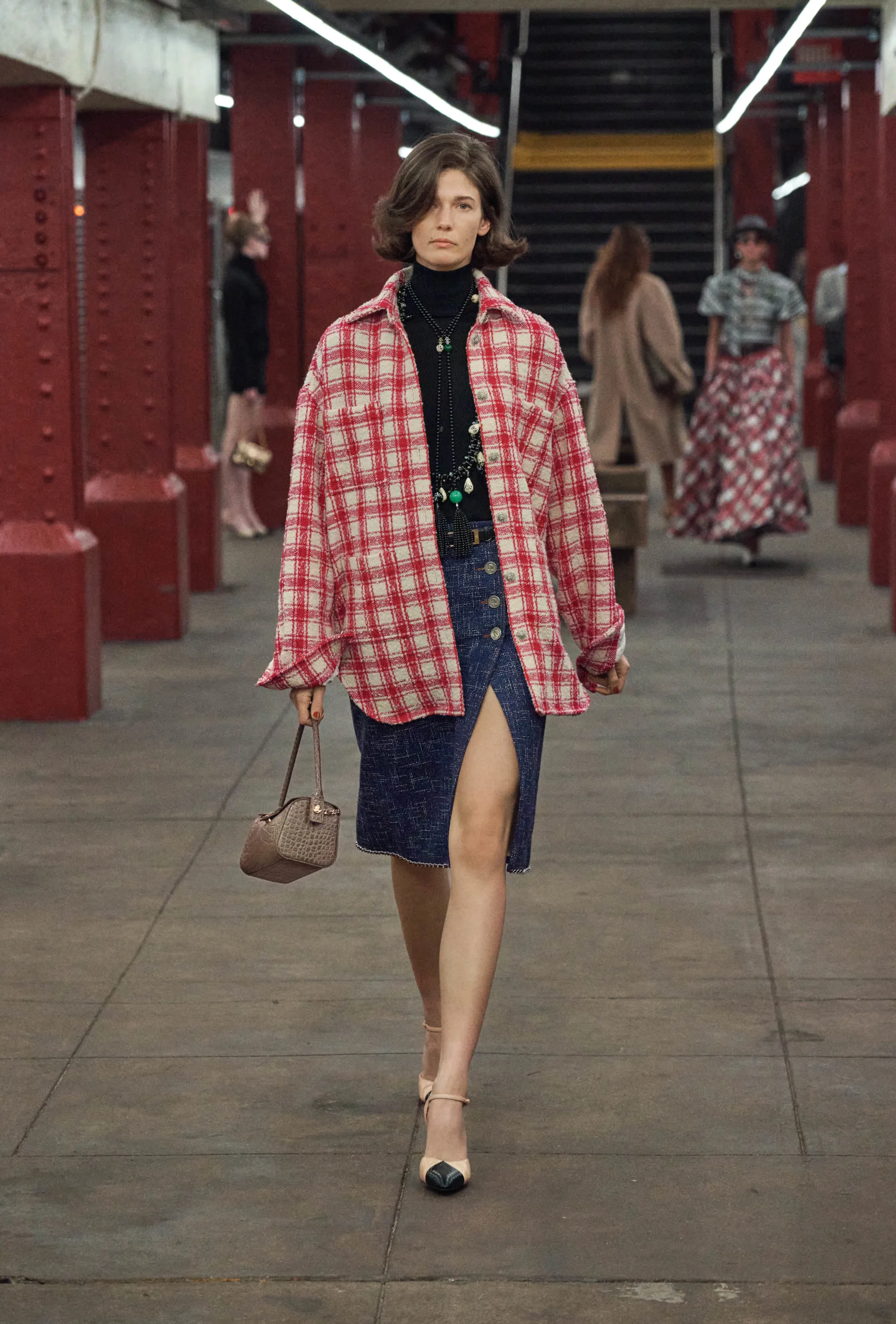
In Matthieu Blazy’s second collection for Chanel, Métiers d'art 2026 show, crocodile appeared even more prominently—not only in bags and shoes but in full RTW looks. So where did the ethics go?
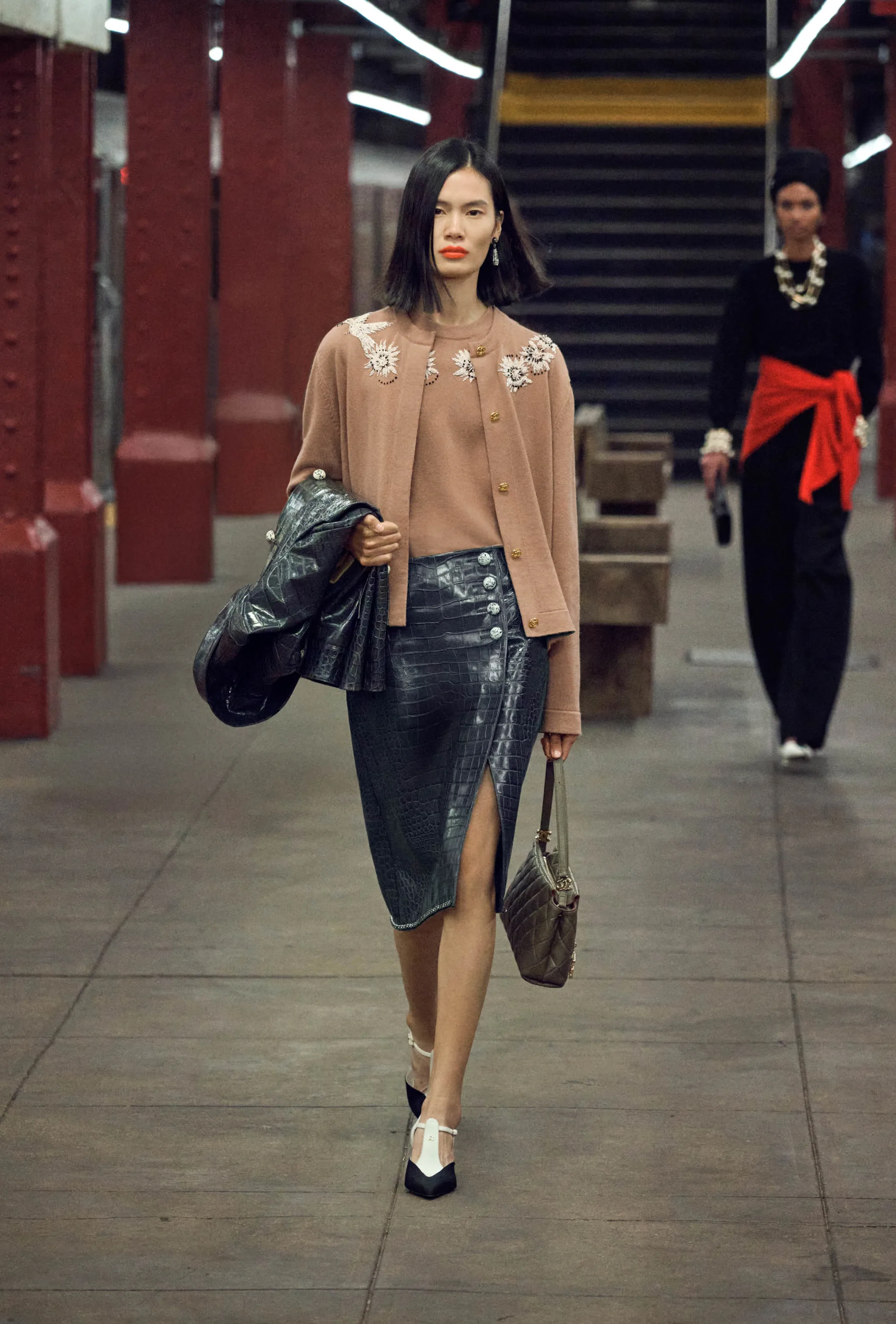
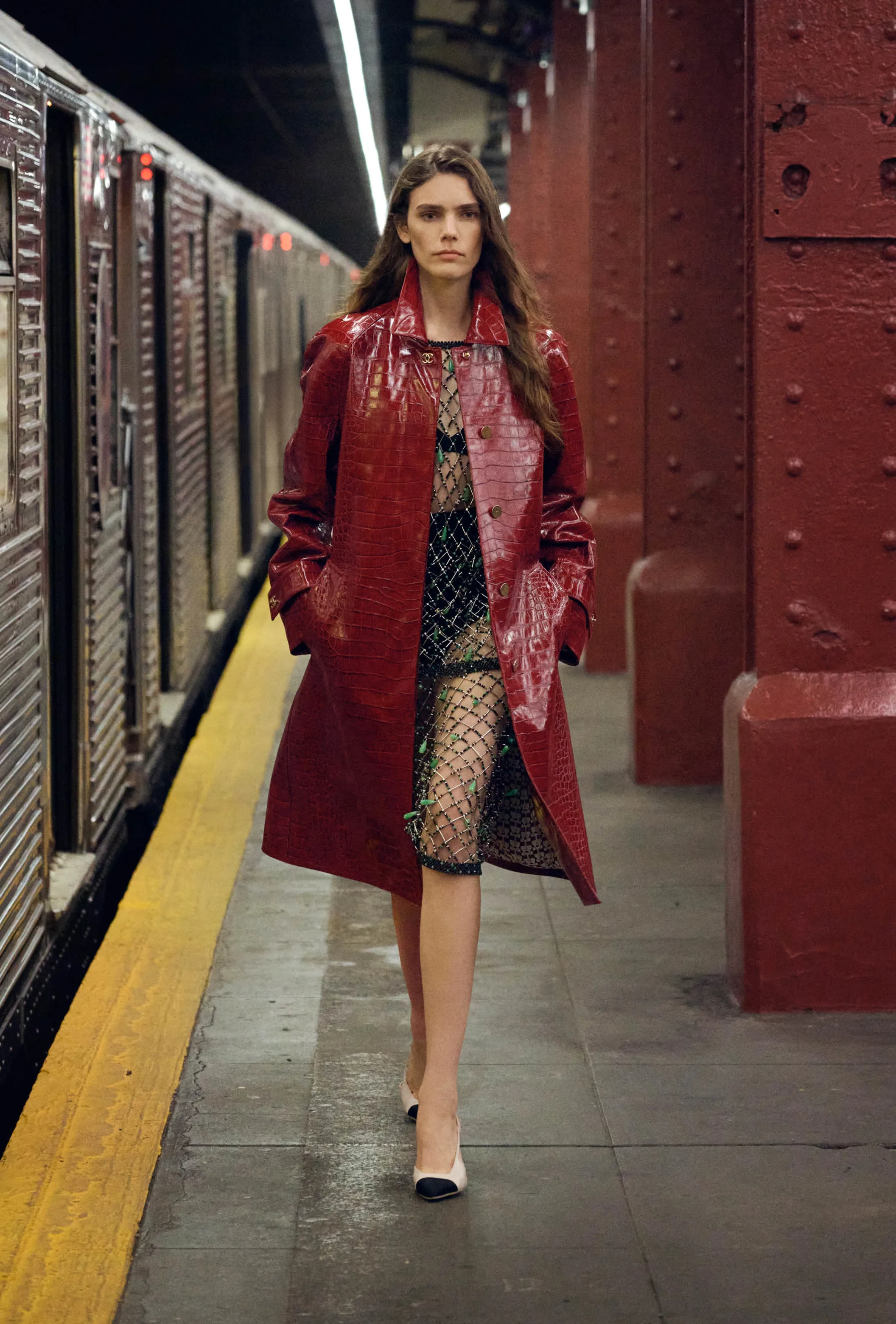
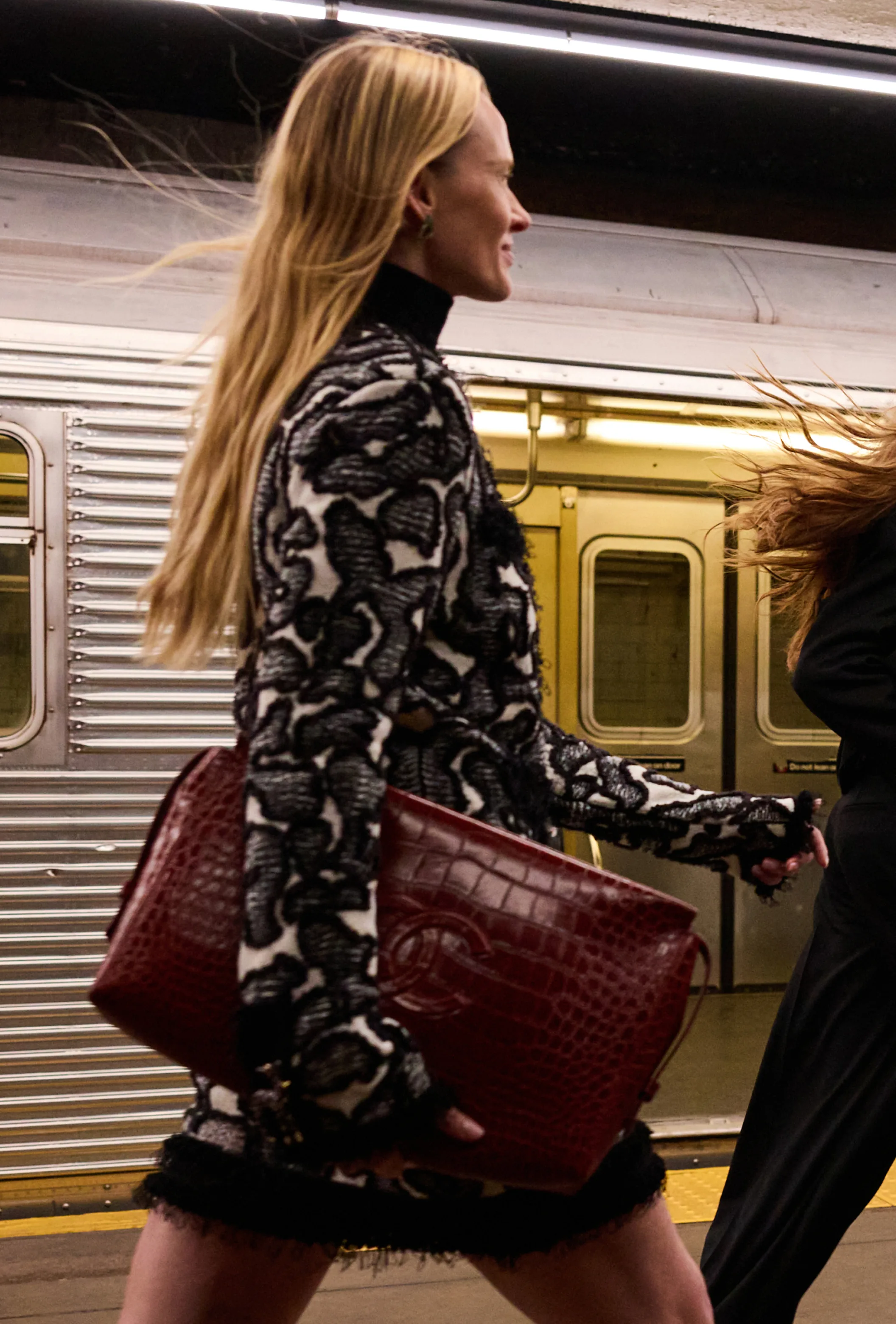
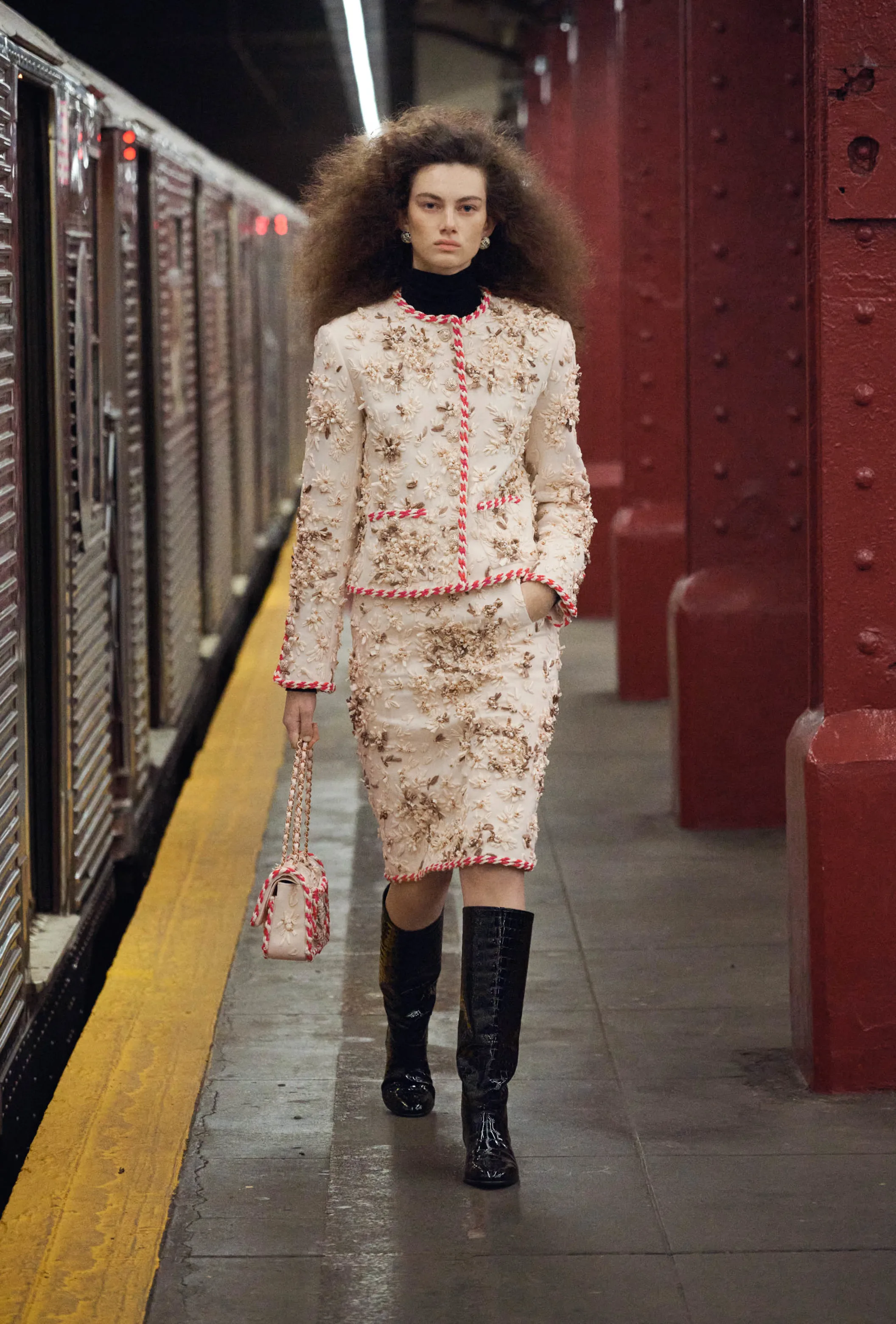

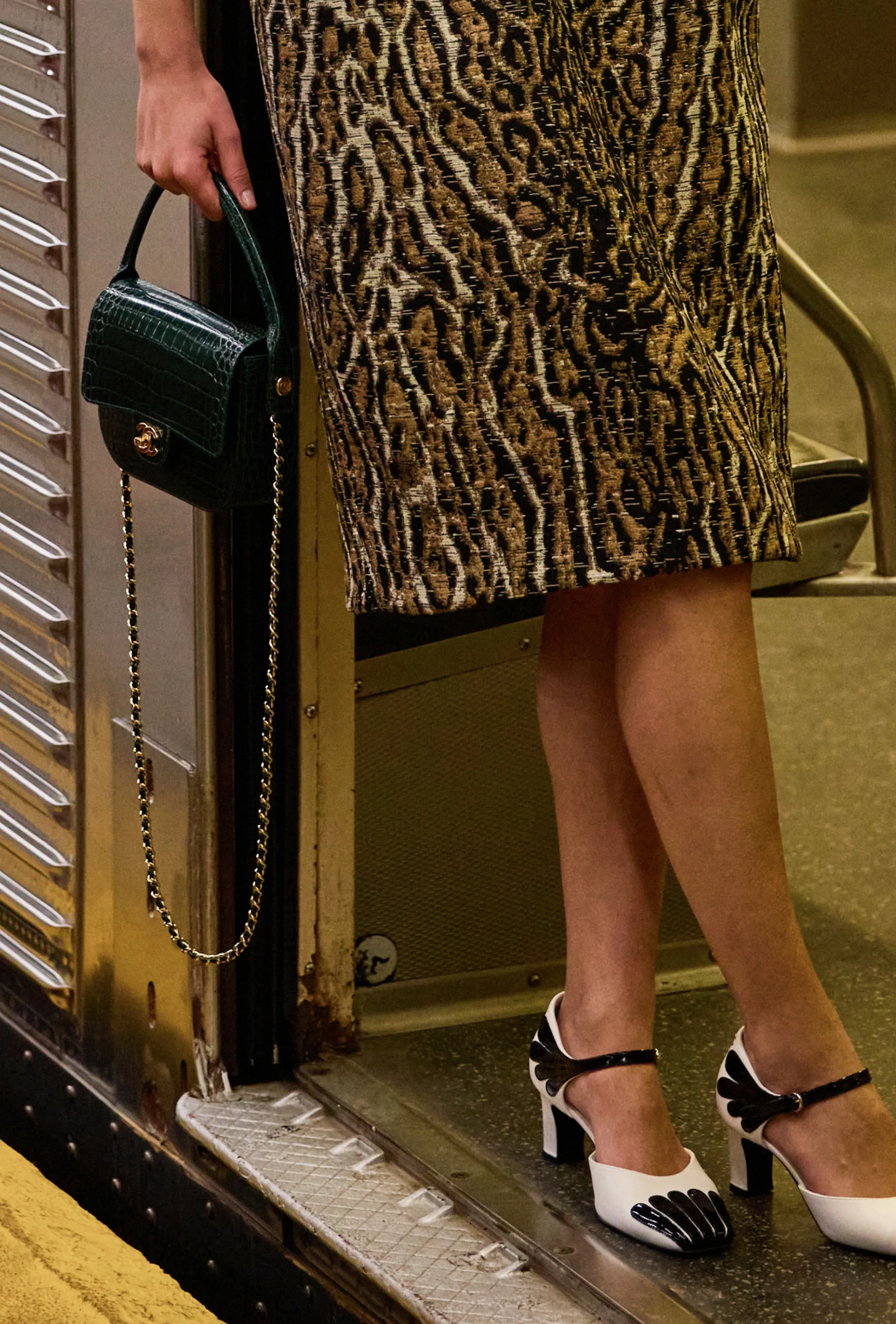
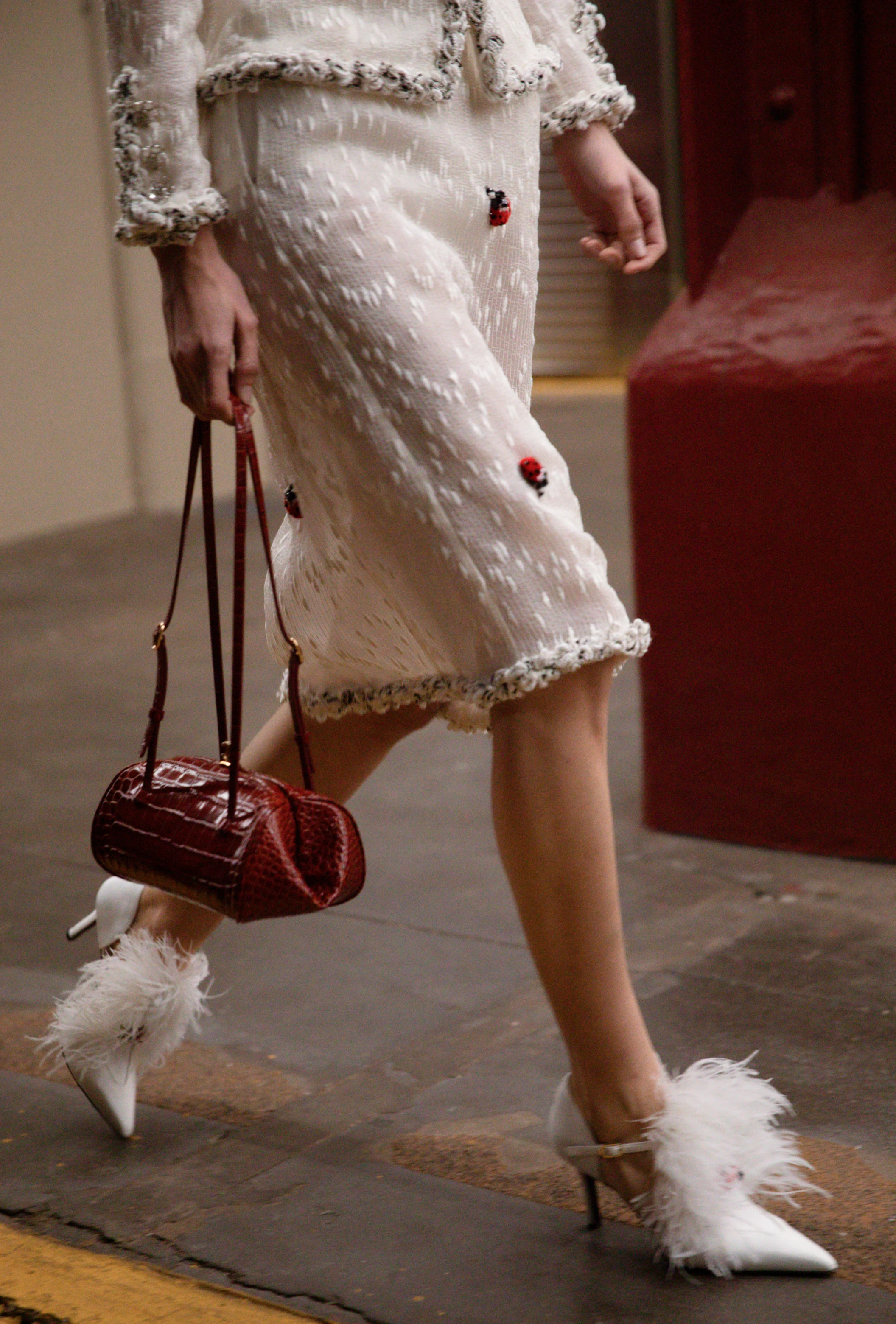

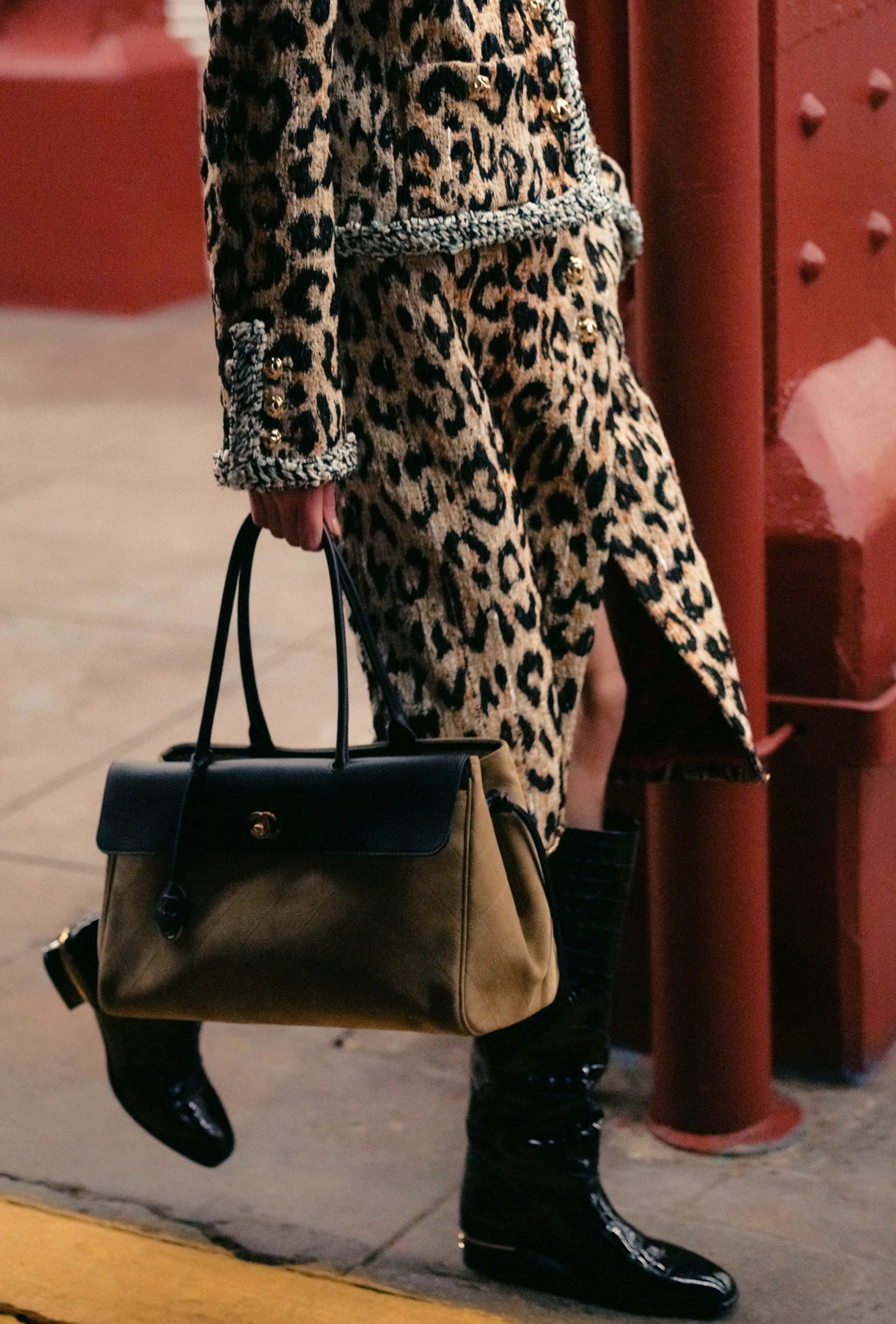

This pivot is a nod to high spenders. There is still a client for exotics. Bottega Veneta’s resort lookbook relies on exotic leather—according to Kering’s reports, VICs remain the brand’s core customers. Many houses maintain private rooms for exotic-skin bags. Harrods offers an impressive range of exotic accessories; I don’t think I’ve seen such variety of crocodile pieces for both men and women anywhere else.
A quiet, comment-free return to exotic leather makes sense, because this move no longer earns any reputational points, and explaining it would be disadvantageous. Perhaps the brand has finally secured new sources, or perhaps the chance to sell a high-margin piece—combined with the challenges facing the luxury market—outweighed all other arguments.
Ultimately, when the real reason behind a decision is more prosaic than one would like to present, silence is the safest route. And in hindsight, silence would have served Chanel better in 2018 as well: by framing the move as an ethical stance, the house created expectations it would later struggle to reconcile. Sometimes, saying nothing—then and now—is the only secure choice.


